Mattress Care & Maintenance Guide UK 2026
Learn how to clean, protect, and maintain your mattress to extend its lifespan by 3+ years. From stain removal to dust mite prevention, everything you need for a healthier sleep surface.

Written by
Rachel Adams
Health & Wellness Contributor
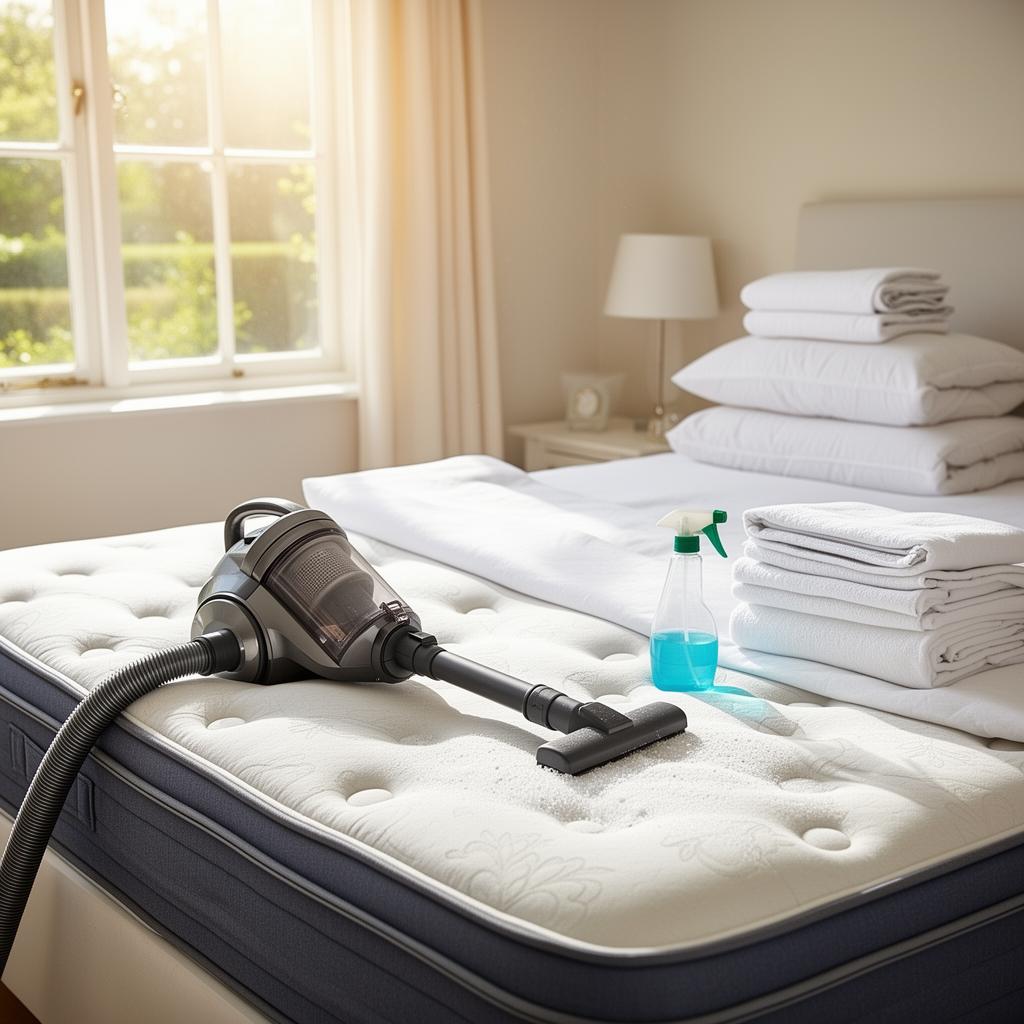
Regular mattress care extends lifespan by 3+ years and maintains a hygienic sleep surface
The average person spends around 26 years of their life sleeping—and your mattress bears the brunt of that time. Every night, your body sheds approximately 500 million skin cells, releases up to half a litre of moisture, and generates warmth that attracts dust mites. Without proper care, these factors dramatically shorten your mattress's lifespan and create an increasingly unhygienic sleeping environment.
The good news? With a simple maintenance routine, you can extend your mattress's life by 3-5 years, maintain warranty validity, and ensure a healthier sleep surface. This comprehensive guide covers everything from weekly care tasks to professional-level stain removal techniques—all tailored for UK households and products.
Whether you've just invested in a new mattress or want to rejuvenate an older one, following these expert-backed practices will help you get the most from your sleep investment.
Mattress Care Schedule
Follow this maintenance schedule to keep your mattress in optimal condition and extend its lifespan.
Weekly
- Change and wash beddingEssential
- Air the mattress (pull back covers for 20 mins)Essential
- Vacuum surface (if no protector)Recommended
Monthly
- Rotate mattress 180° (head to foot)Essential
- Vacuum all surfaces including sidesEssential
- Check for stains and spot cleanRecommended
- Inspect for signs of wear or damageRecommended
Quarterly
- Flip mattress (if double-sided)Essential
- Deep clean with bicarbonate of sodaRecommended
- Wash mattress protector at 60°CEssential
- Sun-dry mattress if possibleOptional
Annually
- Full deep clean and inspectionEssential
- Check warranty status and conditionRecommended
- Assess if replacement is neededRecommended
- Replace mattress protector if wornRecommended
How to Deep Clean Your Mattress
Follow this step-by-step process every 3-6 months for a thorough clean.
Strip the Bed
Remove all bedding, pillows, and mattress protector. Wash these at 60°C to kill dust mites and remove allergens.
Vacuum Thoroughly
Use the upholstery attachment to vacuum the entire mattress surface, including sides and all crevices. Work in overlapping strokes.
Spot Clean Stains
Treat any visible stains with appropriate cleaning solution (see stain guide below). Always blot—never rub—to avoid spreading.
Deodorise
Sprinkle bicarbonate of soda liberally over the entire surface. This absorbs moisture, neutralises odours, and helps break down oils.
Wait
Leave the bicarbonate of soda for 4-24 hours. Longer is better for stubborn odours. Open windows for ventilation.
Vacuum Again
Thoroughly vacuum all the bicarbonate of soda. Ensure none remains in seams or crevices as it can clump when moist.
Air Dry
Leave the mattress uncovered for a few hours to fully air out. If possible, place near an open window or in sunlight.
Mattress Stain Removal Guide
Different stains require different treatments. Here's how to tackle the most common mattress stains.
| Stain Type | Fresh Stain | Set/Dried Stain | Avoid | Difficulty |
|---|---|---|---|---|
| Blood | Blot with cold water immediately. Never use hot water as it sets the stain. | Mix 1 tbsp salt + 1 cup cold water. Apply, leave 30 mins, blot and repeat. | Hot water, bleach | Medium |
| Urine | Blot excess, spray with 1:1 white vinegar and water solution. Blot dry. | Apply enzyme cleaner (pet stain remover works well). Leave 15 mins, blot dry. Sprinkle bicarbonate of soda, leave overnight, vacuum. | Ammonia-based cleaners | Medium |
| Sweat/Yellow Stains | Mix bicarbonate of soda with water to form paste. Apply, leave to dry, vacuum. | Mix 3 tbsp bicarbonate of soda + 1 tbsp dish soap + 8oz hydrogen peroxide. Spray, leave 1 hour, vacuum. | Bleach on coloured fabrics | Easy |
| Food/Drink | Blot immediately with cold water. Apply mild dish soap solution, blot clean. | Mix 1 tbsp dish soap + 1 tbsp white vinegar + 2 cups warm water. Apply, scrub gently, blot dry. | Excessive water | Easy |
| Vomit | Remove solids, blot liquid. Apply bicarbonate of soda liberally to absorb. | Mix 1:1 water and white vinegar. Spray, leave 10 mins. Apply bicarbonate of soda overnight, vacuum. | Scented products (mask odour) | Hard |
| Mould/Mildew | Vacuum loose spores (use HEPA filter). Apply rubbing alcohol, leave to dry in sunlight. | If extensive, the mattress should be professionally cleaned or replaced. Mould can be hazardous to health. | Water (feeds mould) | Hard |
Golden Rule
Always test any cleaning solution on a small, hidden area of your mattress first. Wait 30 minutes to check for discolouration or damage before treating visible areas.
Mattress Lifespan by Type
How long should your mattress last, and when is it time to replace?
Memory Foam
Signs of wear
Visible body impressions, loss of support, difficulty getting comfortable
How to extend life
Rotate monthly, use protector, maintain room humidity
Pocket Sprung
Signs of wear
Springs poking through, squeaking, uneven surface
How to extend life
Flip quarterly (if double-sided), rotate monthly, don't sit on edges
Hybrid
Signs of wear
Foam layers compressing, springs becoming noticeable
How to extend life
Rotate frequently, avoid excess moisture, use breathable protector
Latex
Signs of wear
Softening, crumbling edges, visible deterioration
How to extend life
Keep dry, avoid direct sunlight, rotate regularly
Budget/Basic
Signs of wear
Sagging, lumps, poor support, discomfort
How to extend life
Rotate and flip frequently, use quality protector
Mattress Protector Guide
A quality mattress protector is the single best investment to extend your mattress life. Here are your options.
Waterproof Encasement
Protection: Full 360° coverage
Best for: Allergies, bed bugs, maximum protection
Breathability: Medium
Waterproof Fitted
Protection: Top and sides only
Best for: Spill protection, everyday use
Breathability: Good
Quilted Cotton
Protection: Absorbent layer
Best for: Comfort, light protection
Breathability: Excellent
Cooling/Temperature Regulating
Protection: Top layer with cooling technology
Best for: Hot sleepers, memory foam mattresses
Breathability: Excellent
Our Recommendation
For most UK households, a waterproof fitted protector (£20-£50) offers the best balance of protection and breathability. If you have allergies or concerns about dust mites, upgrade to a full encasement.
Common Mattress Care Mistakes to Avoid
These common mistakes can damage your mattress and void your warranty.
Jumping or standing on the mattress
Damages internal structure, voids warranty. Can break springs or compress foam permanently.
Using too much water when cleaning
Moisture trapped inside causes mould growth and can damage foam layers irreversibly.
Using a hairdryer on high heat
Can damage foam and fabric. If drying is needed, use cool air or natural ventilation.
Sleeping on an uncovered mattress
Body oils, sweat, and dead skin penetrate the mattress, reducing hygiene and lifespan.
Ignoring the mattress protector
A waterproof protector prevents most stains and extends mattress life by years.
Placing on an unsuitable base
Wrong support voids warranties and causes premature sagging. Check manufacturer guidelines.
Controlling Dust Mites
The average mattress contains 2 million dust mites. While you can't eliminate them entirely, you can significantly reduce their numbers.
Effective Methods
Use allergen-proof mattress encasements
Wash bedding weekly at 60°C minimum
Vacuum with HEPA filter regularly
Maintain humidity below 50%
Air mattress in direct sunlight when possible
Why It Matters
Dust mites thrive in warm, humid environments—exactly like the inside of a mattress. They feed on dead skin cells and their waste products are a major cause of indoor allergies.
Symptoms of dust mite allergy include sneezing, runny nose, itchy eyes, and worsening asthma. If you wake up with a stuffy nose that clears during the day, dust mites may be the culprit.
While you can't see them, controlling dust mites can significantly improve sleep quality for allergy sufferers.
Frequently Asked Questions
Common questions about mattress care and maintenance.