If you've ever struggled to sleep on a stuffy summer night or woken shivering in winter, you already know that bedroom temperature affects your sleep. But what exactly is the ideal temperature for sleep, and how can you achieve it in a typical UK home? This comprehensive guide covers everything you need to know about optimising your bedroom temperature for better, deeper sleep.
We'll explore the science behind sleep and temperature, provide specific recommendations for different age groups (including babies and the elderly), and share practical strategies for keeping your bedroom at the perfect temperature throughout the year—without breaking the bank on energy bills.
Why Bedroom Temperature Matters for Sleep
Your body temperature naturally fluctuates throughout the day as part of your circadian rhythm. In the evening, your core temperature begins to drop—a signal to your brain that it's time to sleep. This temperature decrease continues through the night, reaching its lowest point in the early morning hours.
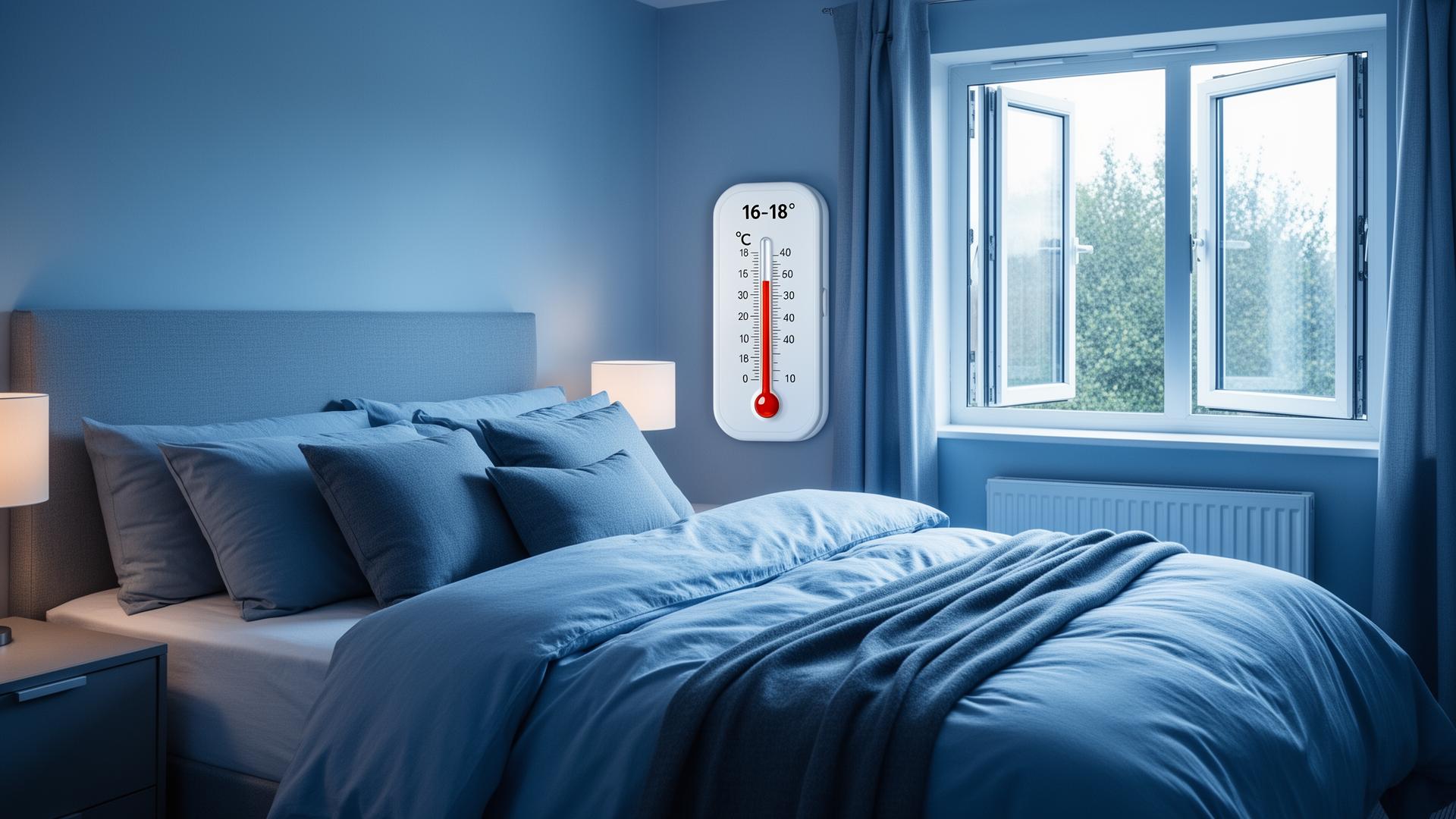
A cool bedroom (16-18°C) supports this natural process by allowing your body to release heat efficiently. When your environment is too warm, your body struggles to offload excess heat, keeping you in lighter sleep stages and causing more frequent awakenings.
Melatonin Production
Cool temperatures promote melatonin (the "sleep hormone") production. Warmth suppresses it, making it harder to feel sleepy.
Deep Sleep Cycles
Optimal temperature helps you spend more time in restorative deep sleep (slow-wave sleep) and REM stages, rather than light sleep.
Fewer Awakenings
Temperature fluctuations cause micro-awakenings. A stable, cool environment means fewer disruptions and more consolidated sleep.
Ideal Bedroom Temperature by Age Group
Different age groups have different temperature needs. Babies and the elderly are particularly vulnerable to temperature extremes and require special consideration.
| Age Group | Optimal Range | Acceptable Range | Notes |
|---|---|---|---|
| Adults (General) | 16-18°C | 15-20°C | NHS and Sleep Council recommended range |
| Babies (0-12 months) | 16-20°C | 16-22°C | Lullaby Trust guidelines - never exceed 22°C |
| Toddlers (1-3 years) | 16-20°C | 15-21°C | Similar to baby range, can tolerate slightly cooler |
| Children (4-12 years) | 16-19°C | 15-20°C | May prefer slightly warmer than adults |
| Elderly (65+) | 18-21°C | 17-22°C | Higher range to prevent hypothermia risk |
| Menopausal Women | 15-17°C | 14-19°C | Cooler to manage hot flushes and night sweats |
Baby Room Temperature: Safety Guidelines
Important Safety Warning
Overheating is a risk factor for Sudden Infant Death Syndrome (SIDS). The Lullaby Trust recommends keeping your baby's room between 16-20°C and never exceeding 22°C. Always use a room thermometer—you cannot reliably judge temperature by how the room feels to you.
Safe Practices
Avoid These
Seasonal Temperature Tips for UK Bedrooms
The UK's variable climate means your bedroom temperature strategy needs to change throughout the year. Here's how to maintain optimal sleep temperatures in every season.
Winter (December - February)
Tips
- Use a programmable thermostat to drop temperature 30 minutes before bed
- Layer bedding for adjustability - easier to remove than add layers
- Keep bedroom door closed to maintain consistent temperature
- Consider a hot water bottle at feet (remove before sleep)
- Use flannel or brushed cotton sheets for warmth without overheating
Watch Out
Never let bedroom drop below 15°C for vulnerable groups
Summer (June - August)
Tips
- Use blackout curtains during the day to block heat
- Open windows at night when outside temperature drops
- Use a fan for air circulation (not pointed directly at sleeper)
- Switch to lightweight cotton or linen bedding
- Consider a cooling mattress topper or pillow
- Take a lukewarm shower before bed to lower core temperature
Watch Out
UK heatwaves can push bedrooms above 25°C - use cooling strategies
Spring/Autumn (Transitional)
Tips
- Layer bedding for unpredictable temperature swings
- Adjust heating schedule as weather changes
- Monitor humidity levels (40-60% is ideal)
- Open windows briefly in evening to freshen air
Watch Out
Temperature can vary significantly between days - stay flexible
Cooling Products for Better Sleep
If you struggle with overheating at night—common in UK summer heatwaves or with memory foam mattresses—these products can help regulate your sleep temperature.
| Product | Price Range | Effectiveness | Best For |
|---|---|---|---|
| Cooling Mattress Topper | £40-£150 | High | Hot sleepers, memory foam mattresses |
| Gel-Infused Pillow | £25-£80 | Medium-High | Head/neck heat, night sweats |
| Bamboo/Tencel Sheets | £30-£100 | Medium | Breathability, moisture-wicking |
| Bedroom Fan | £20-£60 | Medium | Air circulation, white noise |
| Smart Thermostat | £150-£250 | High | Automated temperature control |
| Blackout Curtains | £25-£80 | Medium | Blocking daytime heat, light |
| Portable Air Conditioner | £250-£500 | Very High | Extreme heat, upper-floor bedrooms |
Common Bedroom Heating Mistakes
Many UK households inadvertently create poor sleep conditions with their heating habits. Here are the most common mistakes and how to fix them.
Mistake
Leaving heating on all night
Problem
Overheating disrupts REM sleep and causes dehydration
Solution
Set heating to turn off 30 minutes before bed or maintain 16-18°C
Mistake
Electric blankets left on overnight
Problem
Raises core body temperature, preventing natural temperature drop
Solution
Use to warm bed, then switch off before sleeping
Mistake
Radiators under windows without curtains
Problem
Heat escapes rapidly, causing temperature fluctuations
Solution
Use thermal curtains or move bed away from window wall
Mistake
Keeping bedroom door open to heated hallway
Problem
Inconsistent temperatures as heat flows in and out
Solution
Keep door closed; let bedroom find its optimal temperature
Mistake
Setting thermostat to living room temperature
Problem
Bedrooms should be 2-4°C cooler than living areas
Solution
Use TRVs (thermostatic radiator valves) to control bedroom separately
5 Steps to Optimise Your Bedroom Temperature
Get a Room Thermometer
A simple digital thermometer (£5-15) removes guesswork. Place it at bed height, away from radiators and windows. Check it before bed and note patterns.
Set Your Heating Schedule
Programme your thermostat to begin lowering temperature 30-60 minutes before bedtime. Aim for 16-18°C in the bedroom. Use TRVs to keep bedrooms cooler than living areas.
Optimise Your Bedding
Match your bedding to the season. Use a lighter tog duvet in summer (4.5 tog) and heavier in winter (10.5-13.5 tog). Layer blankets for adjustability.
Manage Humidity
Aim for 40-60% humidity. In winter, central heating dries air—consider a humidifier. In summer, ensure adequate ventilation to prevent stuffiness.
Prepare Your Body
Take a warm (not hot) bath or shower 1-2 hours before bed. This causes your body to cool down afterwards, triggering sleepiness.
